
Mitigation Measures
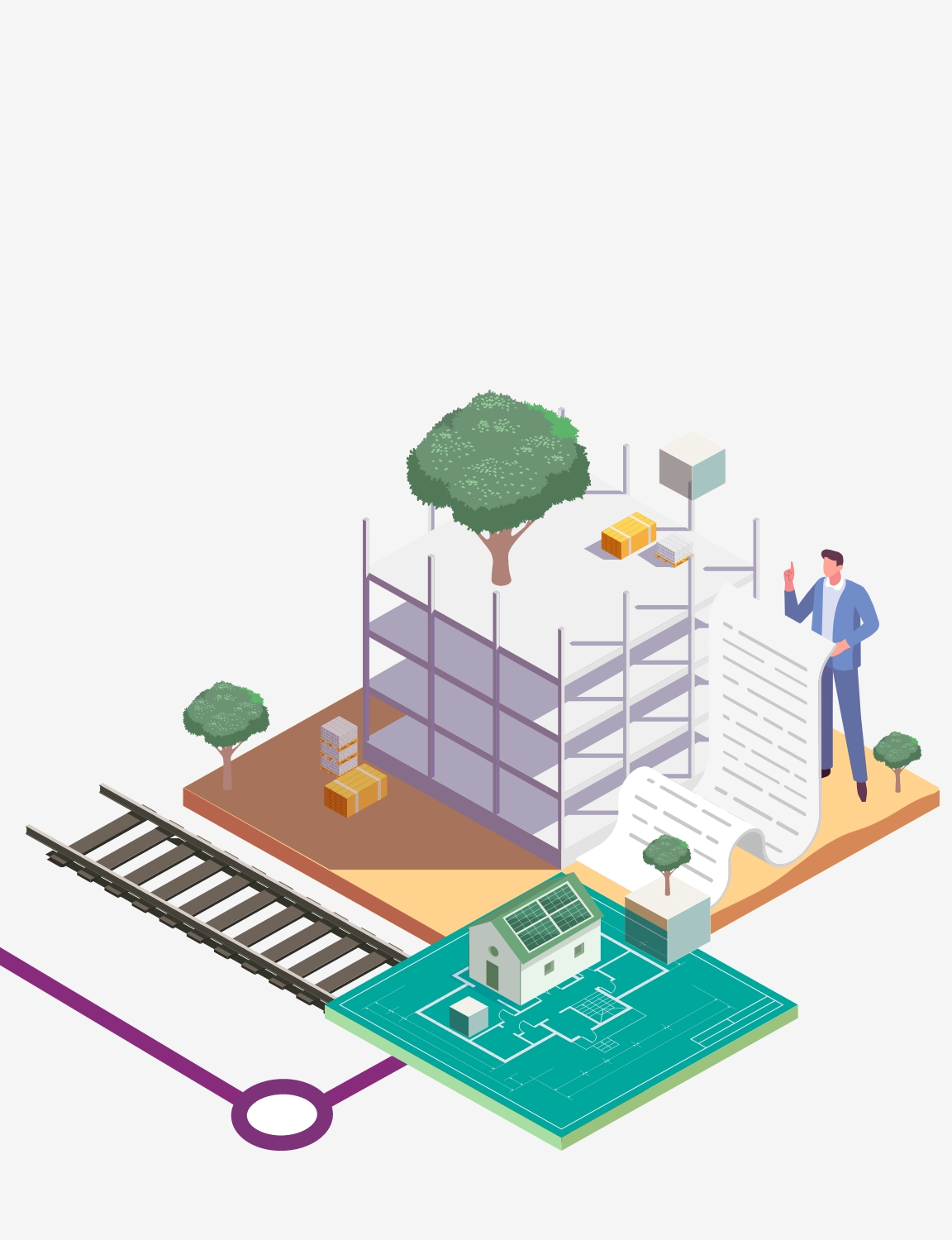
The Corporation has extensive experience in delivering railway projects guided by the principles of sustainable development.
In addition to formulating suitable options with minimal impact on the surrounding environment, we will also proactively implement a range of practicable mitigation measures, as recommended in the Environmental Impact Assessment report and where necessary, during the construction, operation, and maintenance stages, to avoid or minimise potential impacts on the nearby community and environment as far as possible.
While implementing the mitigation measures, we will carry out regular environmental monitoring to ensure the effectiveness of these measures. We will also maintain ongoing communication with various stakeholders and consult them as appropriate, with a view to addressing their concerns while advancing the sustainable development of both the railway and the city.

Our commonly adopted mitigation measures include:
-


Air Quality
-


Sound
-

Workplace Health
-


Tree Conservation
-


Heritage Preservation
-


Water Quality Management
-


Project Monitoring
-


Public Utilities
-


Traffic Arrangements
-


Visual Impact and Greening
Air Quality
During railway construction, dust may be generated in some construction procedures such as excavation and spoil transportation etc. To facilitate effective dust control, the Corporation will require the contractor to implement good practices in site management according to practical situations. These include:
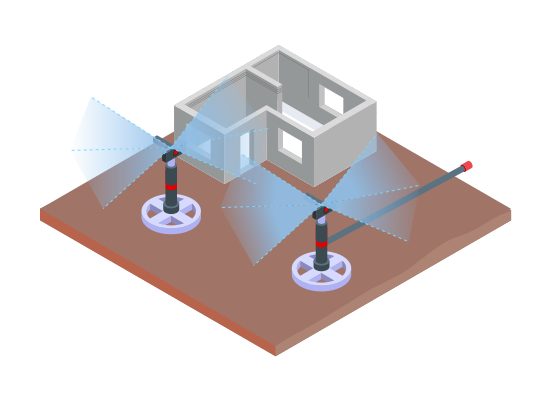
Carry out timely watering of the work surface areas
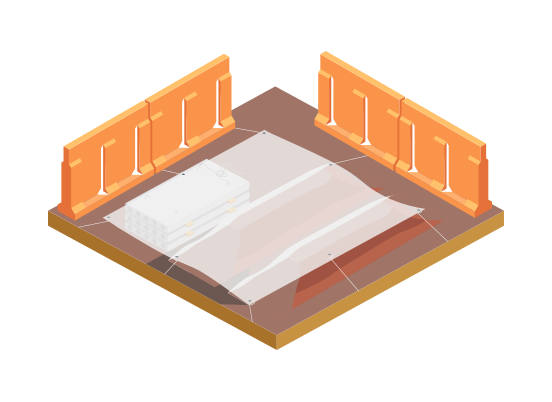
Properly cover the dust‑generating materials, such as excavated soil and construction materials, with large canvases
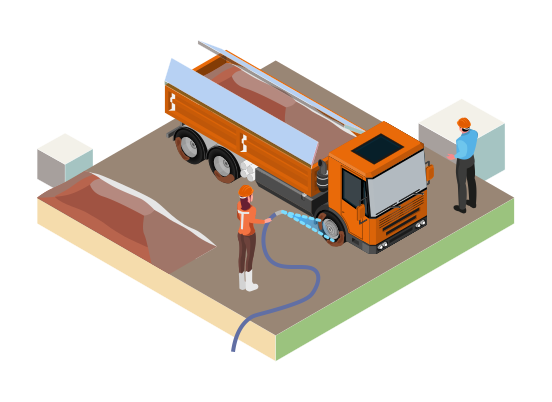
Use of dump trucks with cover; and provision of watering facilities for vehicles at exits of works sites to suppress the dust raised and carried away from the work sites by vehicles

Set up environmental monitoring points near the construction sites and review the effectiveness of relevant mitigation measures based on the results of air quality monitoring and make adjustments as necessary
Sound
To effectively mitigate sound impacts during construction and its possible impacts on the nearby residents, we will implement various measures during the construction period. These included:
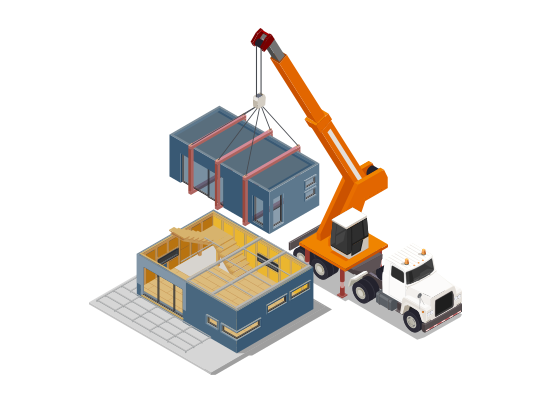
Leverage technologies, such as Design for Manufacture and Assembly (DfMA) and Modular Integrated Construction method (MiC) to simplify on-site construction processes and reduce sound levels generated during construction
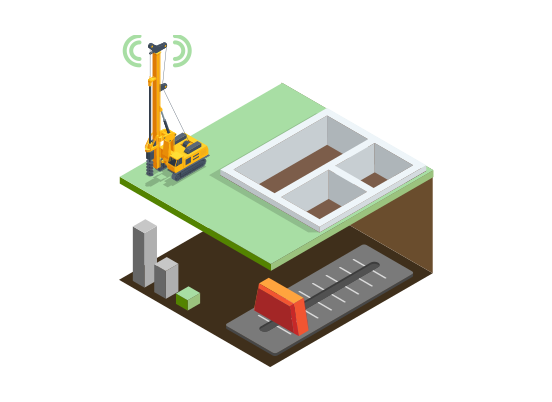
Low-noise machines will be used as far as practicable
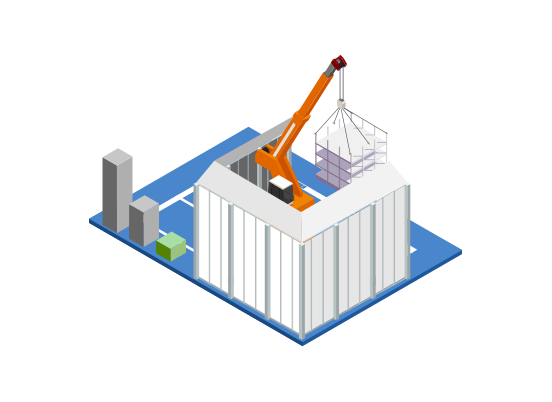
Temporary noise barriers and enclosures, acoustic panels and noise-insulating curtains will be installed on site as required by the construction needs. If drilling and blasting operation is required, it will be carried out in a sealed environment, with new technologies adopted to further minimise the vibrations and sound generated during the drilling and blasting operation
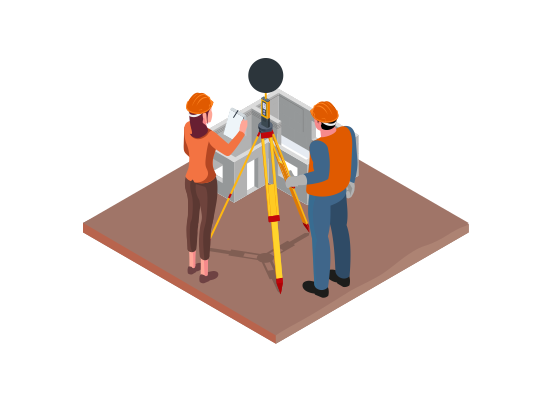
Noise monitoring devices will be installed near the construction site, with strict compliance with relevant laws and regulations.
Workplace Health
Construction and demolition materials as well as spoil would be generated from the demolition, excavation and site formation works during the construction period. To minimise and properly manage the waste generated during construction, the Corporation will implement:

Implement waste reduction measures and carry out sorting of demolition materials and waste, with reusable materials recycled as much as possible. For instance, the soil and rock excavated on site can be transported to other concurrent construction projects for use as construction materials
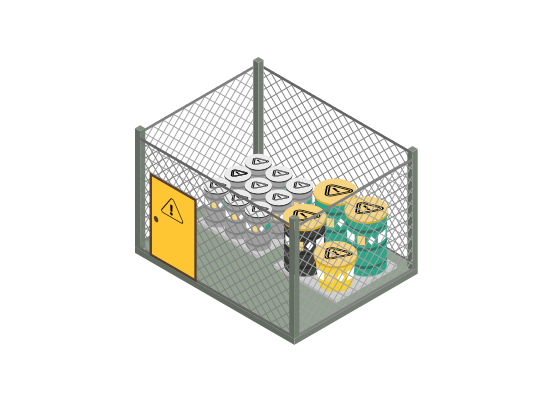
Properly handle, store and dispose of chemical waste and hazardous materials in accordance with the "Code of Practice on the Packaging, Labelling and Storage of Chemical Wastes"
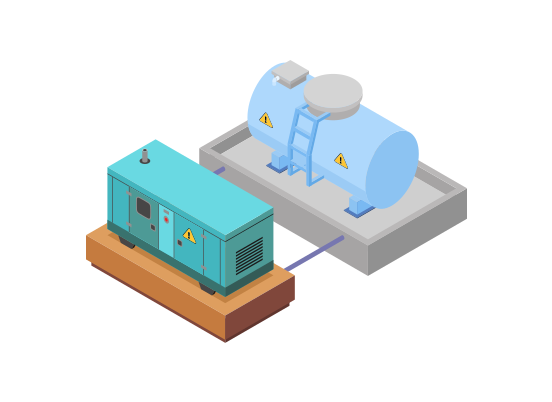
Place spill trays at appropriate locations to prevent construction waste from contaminating the ground
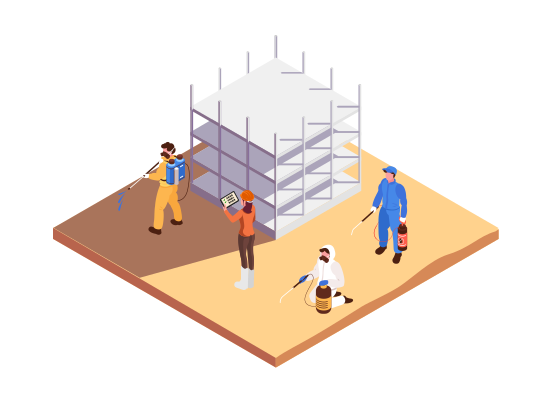
Strictly require contractors to conduct regular site inspection and implement appropriate cleaning and pest control measures, such as placing rodent bait and clearing site clutters and stagnant water in the construction site, etc., and reminding workers to maintain good personal hygiene and keep the works site clean and tidy
Tree Conservation
When planning and designing of the Northern Link project, the Corporation has already been taken tree conservation into consideration. Detailed inspections and records will be conducted for trees that may be affected by railway works. We will also implement the following measures:

Tree experts are invited prior to the commencement of works, to conduct assessment of trees that may potentially be affected along the alignment, formulate tree conservation guidelines and plans and submit them to the relevant government departments for approval
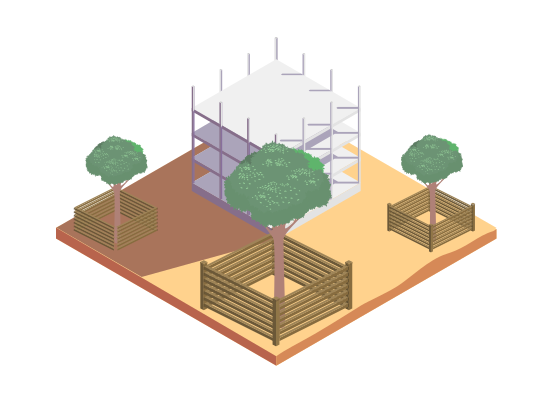
Retain trees in their original locations as far as practicable

If the trees are inevitably affected by the construction works, transplanting will be considered based on the trees’ health condition, post-transplant survival rate and species, etc., with the transplantation process will be monitored by tree experts
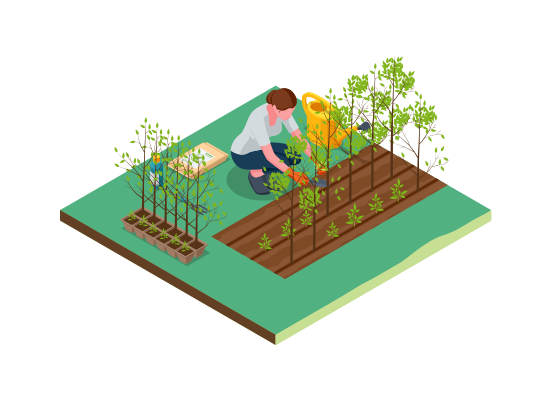
If affected trees need to be removed due to poor health condition, undesirable species or a low survival rate after transplantation, compensatory tree planting will be carried out within the same area as far as practicable
Heritage Preservation
Prior to the commencement of construction works, the Corporation appointed consultants to conduct an Environmental Impact Assessment in accordance with the Environmental Impact Assessment Ordinance, which includes:

Assess the impact of the Northern Link railway scheme on historic buildings and heritage sites along the alignment
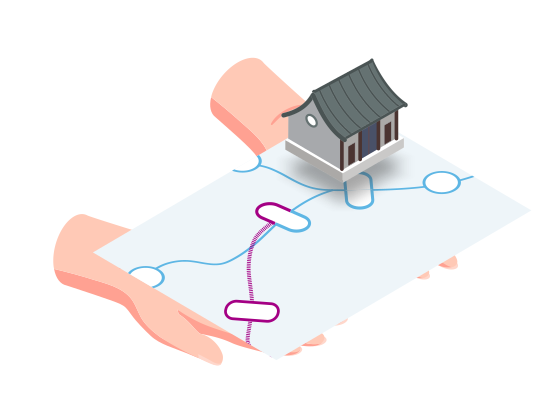
During the design of the railway alignment, impacts on historic buildings and heritage sites will be avoided as far as practicable, and feasible mitigation measures will be implemented to protect these heritage assets
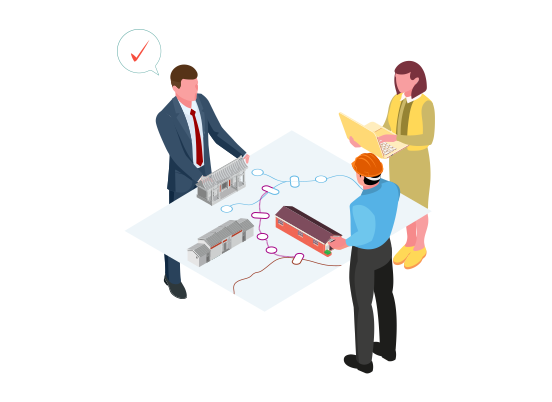
If archaeological remains of potential archaeological value are discovered at or near the construction site, "archaeological investigations and excavations” works will be carried out within designated area in accordance with the recommendations of the Environmental Impact Assessment report and in compliance with the guidelines of the Antiquities and Monuments Office (AMO), with reports submitted to the relevant government departments
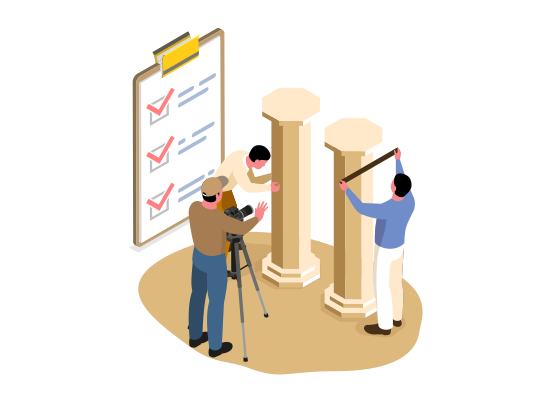
Based on the assessment findings and site conditions, work with the Antiquities and Monuments Office (AMO) to develop suitable conservation proposals and measures, including the preservation or relocation of heritage items and buildings
Water Quality Management
The Corporation understands that residents may have concerns about the potential impact of works such as site runoff and drainage diversion during construction on water quality. Therefore, before construction commences, we will:

Invite consultants to conduct an impact assessment of the drainage conditions of the construction site during construction period

Devise appropriate drainage solutions and maintain close communication and coordination with project team during the construction period, making adjustments as necessary in response to actual site conditions
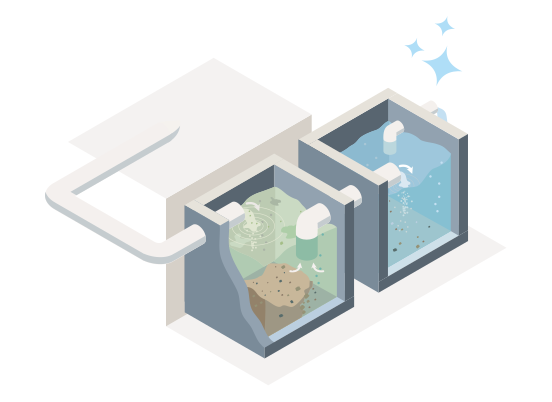
Set up sand traps and sedimentation tanks as required to avoid the blockage of channels and control the surface runoff at the construction site
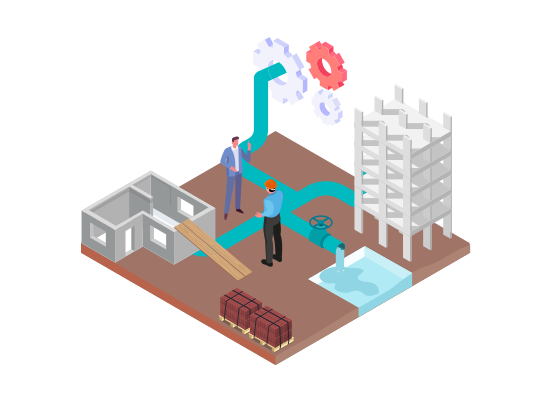
Set up temporary drainage channels as required to control the surface runoff from the construction site as well as prevent it from flowing beyond the construction area
Project Monitoring
To ensure that the structures and operations of buildings and facilities in the vicinity of the railway works remain safe and unaffected, we will:
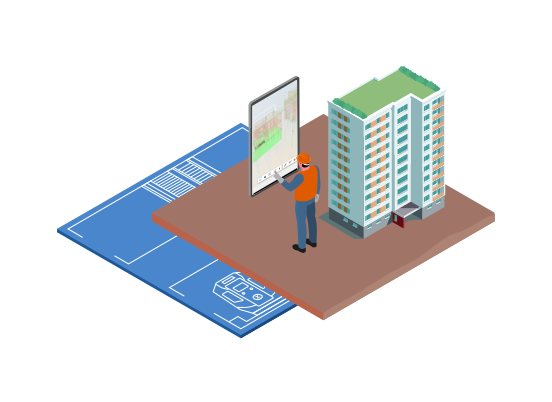
Conduct a detailed analysis of the geological conditions within the construction area and surrounding areas, and formulate the most appropriate construction methods having regard to the nature and scope of the works

Formulate a robust monitoring plan, including the installation of various monitoring instruments along the alignment before and during construction, the regular collection of monitoring data, and timely communication and reporting to the relevant government departments, to ensure that the works comply with the design requirements and relevant statutory regulations
Public Utilities
Before excavation works commence, we will, liaise with public utility undertakings in the vicinity of the construction site where necessary, and will also:

Conduct site inspections of relevant public utilities, including verifying public utility layout plans and related construction records, and carrying out trial pits using appropriate tools or instruments to detect underground utilities, in order to confirm the exact locations and depths of existing public utilities
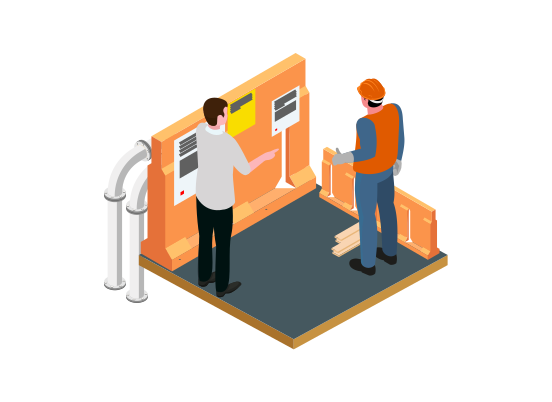
Based on the findings of site inspections, study and formulate precautionary measures for carrying out works near the relevant utilities as necessary, and display notices to alert site personnel, so as to avoid damage to or interference with nearby utilities
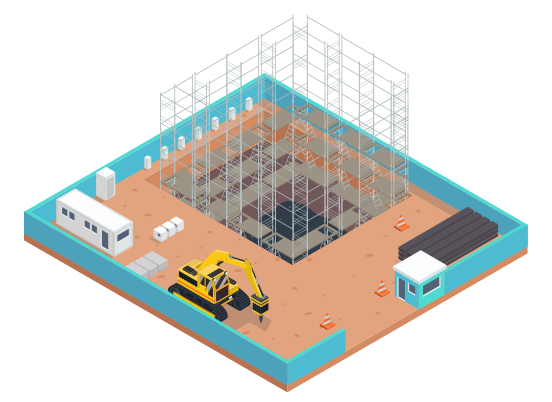
Provide support and protective measures for public utilities as required before the commencement of works
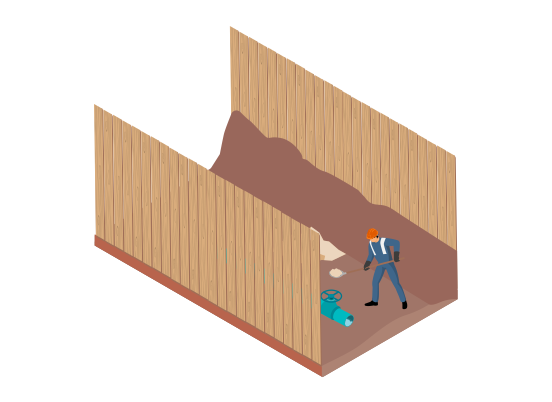
Carry out excavation by hand near public utilities as required to protect the relevant facilities
Traffic Arrangements
During the construction period, temporary traffic management measures may need to be implemented in the vicinity of the construction site in accordance with construction progress. We will:

Appoint traffic consultants before construction to conduct a traffic impact assessment for the project
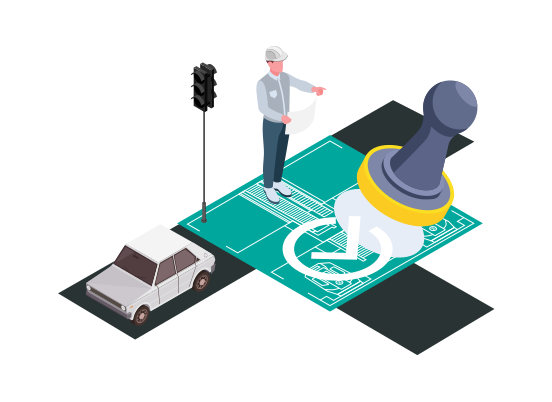
Formulate temporary traffic management measures as required, with a view to minimising impacts on existing traffic, and implementing them only after obtaining approval from the relevant government departments
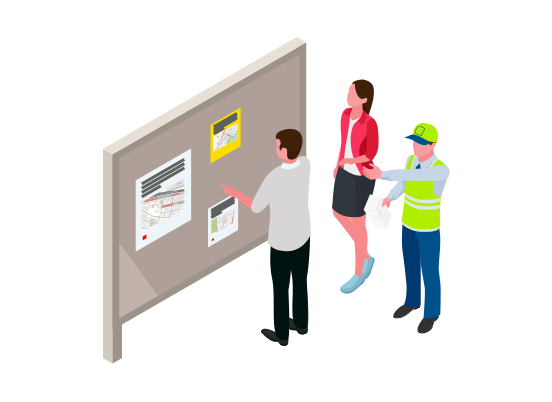
Before implementing the relevant measures, communicate with nearby residents and road users through various channels, such as the distribution of notices
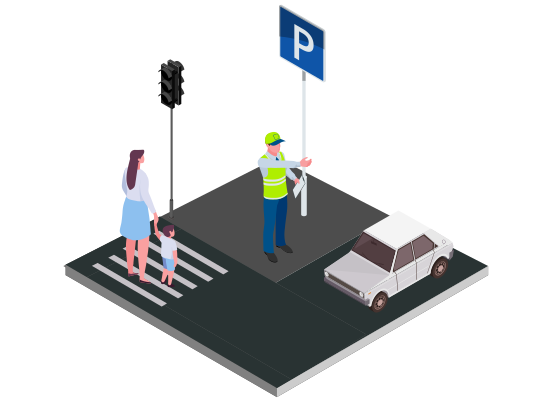
During the implementation of the relevant measures, deploy site personnel in the area, erect directional signage, and arrange traffic marshals to assist pedestrians and direct traffic as necessary
Visual Impact and Greening
Railway facilities form part of the cityscape. As such, the Corporation places great importance on ensuring that railway facilities integrate well with the surrounding community and environment. When developing the designs of new stations and associated railway ancillary facilities (such as ventilation buildings), we will, where practicable:
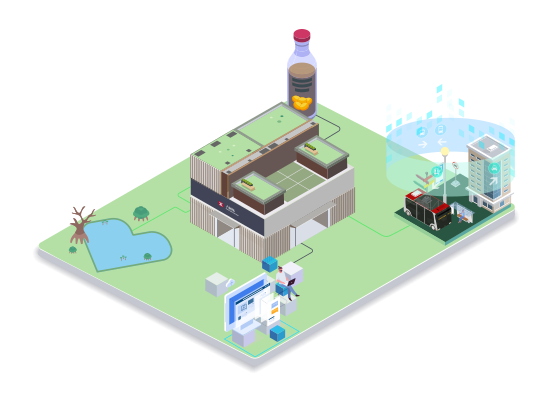
Draw inspiration from the district’s unique character, history, and local landmarks, with the aim of ensuring that new stations not only support future development but also blend harmoniously with the surrounding community
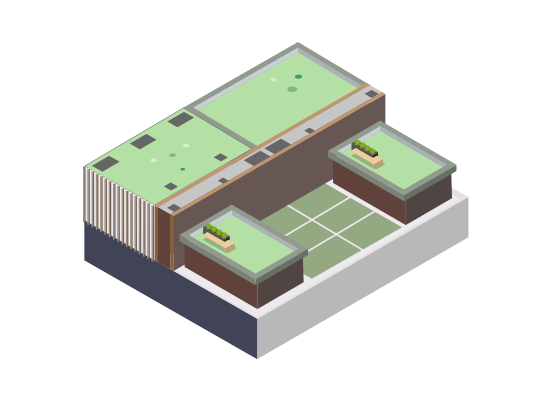
Adopt greening design elements, such as green roofs, to reduce potential visual impacts
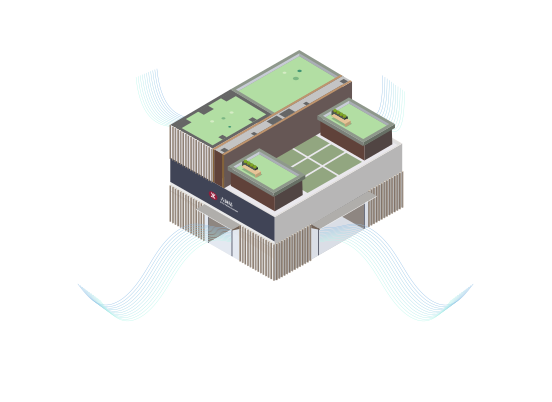
Adopt an open design to enhance natural ventilation
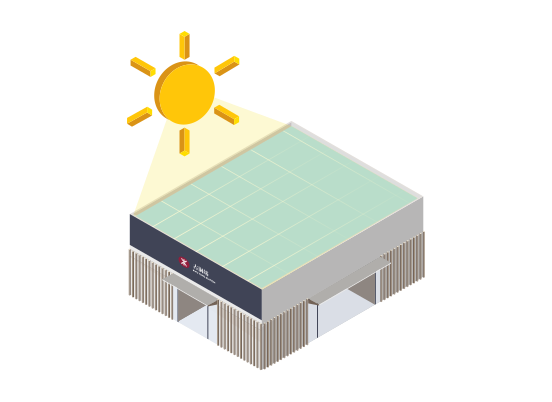
Incorporate skylight elements to enhance natural daylighting, while allowing the overall station design to blend more seamlessly with surrounding public spaces
Sound
To effectively mitigate sound impacts during construction and its possible impacts on the nearby residents, we will implement various measures during the construction period. These included:
Leverage technologies, such as Design for Manufacture and Assembly (DfMA) and Modular Integrated Construction method (MiC) to simplify on-site construction processes and reduce sound levels generated during construction
Low-noise machines will be used as far as practicable
Temporary noise barriers and enclosures, acoustic panels and noise-insulating curtains will be installed on site as required by the construction needs. If drilling and blasting operation is required, it will be carried out in a sealed environment, with new technologies adopted to further minimise the vibrations and sound generated during the drilling and blasting operation
Noise monitoring devices will be installed near the construction site, with strict compliance with relevant laws and regulations.


